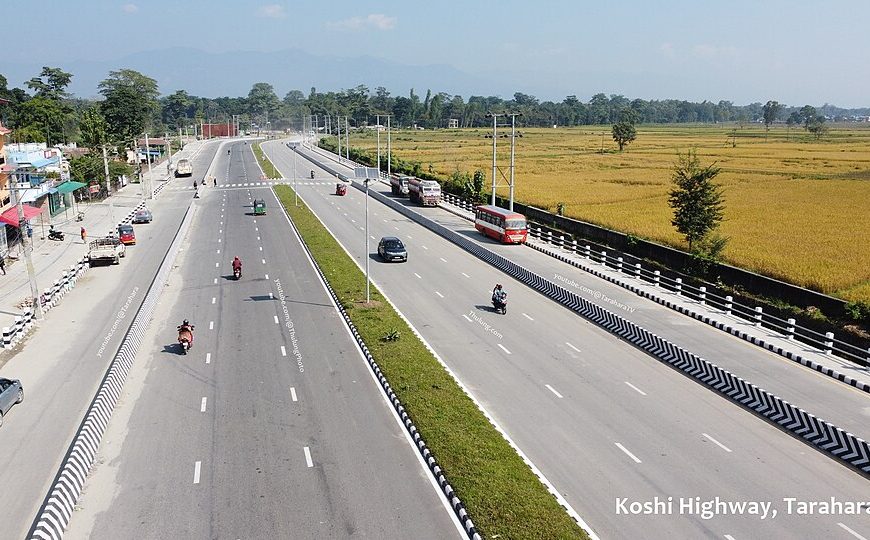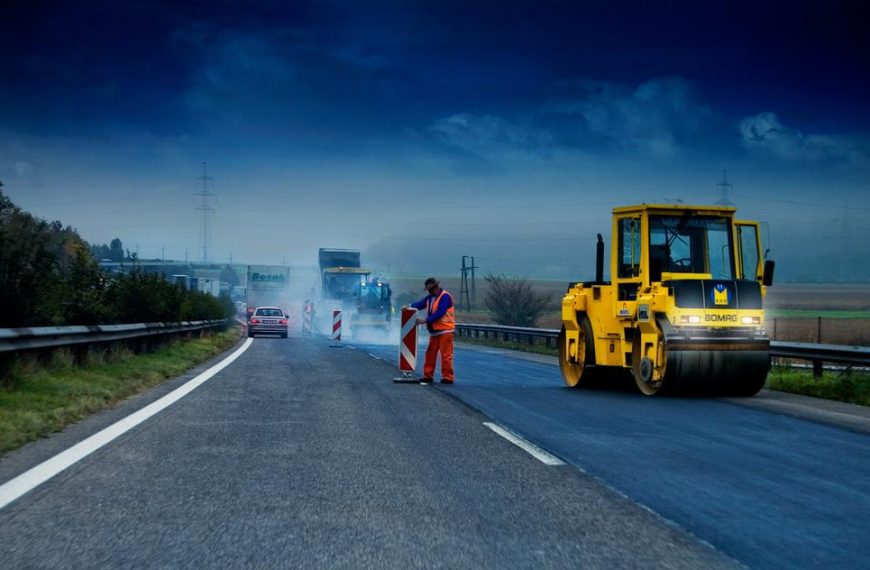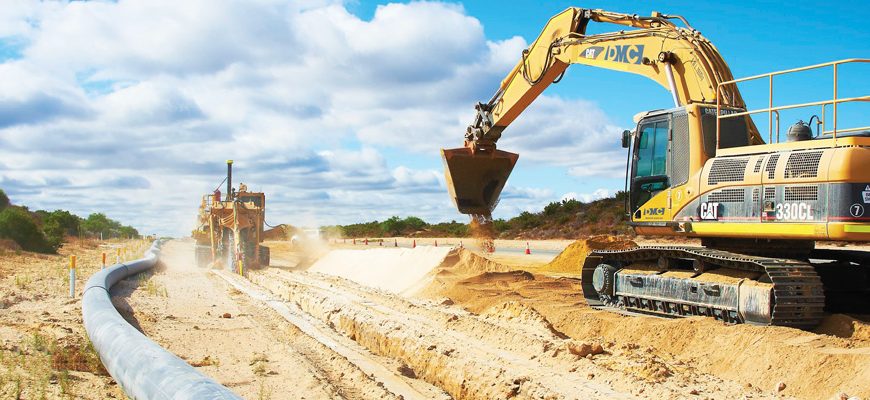


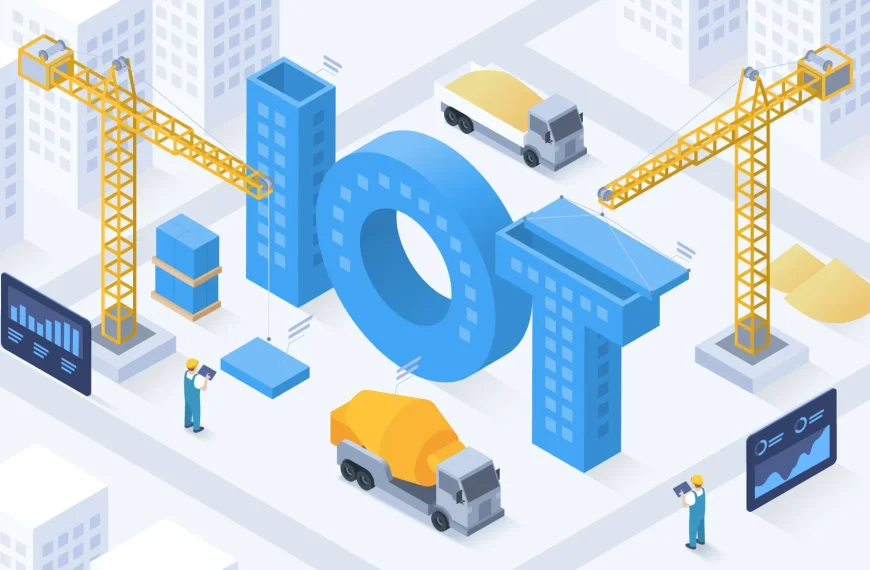
Building Information Modeling (BIM) is revolutionizing Nepal’s Architecture, Engineering, and Construction (AEC) industry by offering a digital, collaborative approach to design, construction, and facility management. By integrating 3D models with time (4D), cost (5D), and asset management (6D) data, BIM enhances project visualization, coordination, and decision-making throughout the project lifecycle.
Current Adoption and Implementation
In Nepal, BIM adoption is still in its nascent stages. A study indicates that only 23.53% of AEC firms have implemented BIM at Level 1, primarily utilizing it for 3D visualization. There is limited integration of BIM into the construction process, with most applications confined to the design phase. This limited adoption is attributed to several factors, including a lack of awareness, insufficient training, and the absence of standardized protocols.
Educational Initiatives and Capacity Building
Recognizing the potential of BIM, educational institutions in Nepal are beginning to incorporate BIM into their curricula. For instance, the Nepal BIM Forum is actively promoting BIM education and awareness among professionals and students. These initiatives aim to equip the future workforce with the necessary skills to leverage BIM effectively, fostering a culture of innovation and efficiency in the construction sector.
Challenges and Opportunities
Despite its benefits, BIM implementation in Nepal faces challenges such as high initial costs, resistance to change, and a shortage of skilled professionals. However, the potential advantages—improved project outcomes, cost savings, and enhanced collaboration—make a compelling case for its adoption. By addressing these challenges through policy support, investment in training, and stakeholder engagement, Nepal can harness BIM to drive sustainable development in its construction industry.
Conclusion
BIM holds significant promise for transforming Nepal’s construction landscape. By embracing this technology, the country can overcome existing inefficiencies, enhance project delivery, and build resilient infrastructure. Continued efforts in education, policy formulation, and industry collaboration are essential to realize the full potential of BIM in Nepal’s AEC sector.

 By
By