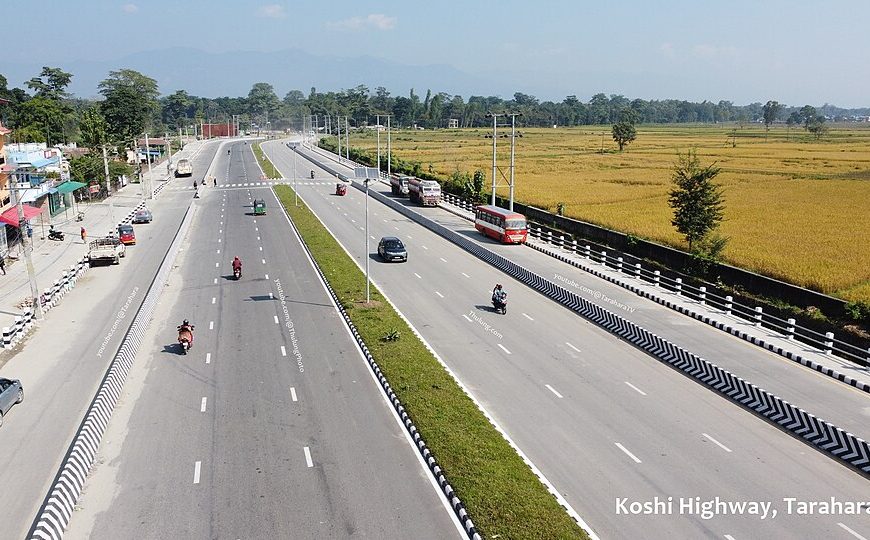


Nepal stands at a pivotal juncture in its development journey, where the pursuit of sustainable infrastructure is not merely an option but a necessity. The nation’s unique topography, coupled with its vulnerability to climate change and rapid urbanization, underscores the urgency for infrastructure that is not only robust and inclusive but also environmentally sustainable.
Embracing the GRID Framework
In response to these challenges, Nepal has adopted the Green, Resilient, and Inclusive Development (GRID) framework. This approach aims to integrate environmental sustainability, climate resilience, and social inclusion into the core of infrastructure development. By doing so, Nepal seeks to address the multifaceted challenges of environmental degradation, social inequality, and economic vulnerability in a cohesive manner.
Challenges on the Ground
Despite the strategic vision, implementing sustainable infrastructure in Nepal is fraught with challenges. The country’s complex geology, characterized by young mountain chains, presents significant engineering hurdles. Additionally, the lack of inter-ministerial coordination often leads to fragmented planning and execution of infrastructure projects. Legal complexities in modalities like Build-Own-Operate-Transfer (BOOT) and Engineering, Procurement, and Construction (EPC) further complicate the landscape, with hydropower projects being the notable exceptions in achieving success under these models.
Opportunities for Sustainable Growth
Nepal’s late entry into large-scale infrastructure development offers a unique opportunity to learn from global best practices. By leveraging innovative approaches and technologies, the country can leapfrog traditional development pathways. Public-private partnerships (PPPs) are emerging as effective models for financing and executing sustainable infrastructure projects, attracting both domestic and international investments.
Community Engagement and Local Adaptation
A critical aspect of sustainable infrastructure development is community engagement. Nepal’s Local Adaptation Plans of Action (LAPAs) exemplify this approach by involving local communities in identifying climate risks and developing adaptation strategies. Such participatory planning ensures that infrastructure projects are tailored to the specific needs and vulnerabilities of local populations, enhancing their effectiveness and sustainability.
International Support and Investment
Recognizing the importance of sustainable infrastructure, international organizations have extended support to Nepal. The World Bank’s approval of a $100 million policy credit aims to bolster Nepal’s efforts in implementing the GRID framework, focusing on key reforms that promote green, resilient, and inclusive development.
Conclusion
Sustainable infrastructure is the linchpin of Nepal’s aspirations for resilient and inclusive development. By embracing frameworks like GRID, fostering community participation, and leveraging international support, Nepal can build infrastructure that not only withstands environmental and social challenges but also propels the nation towards a sustainable and equitable future.

 By
By