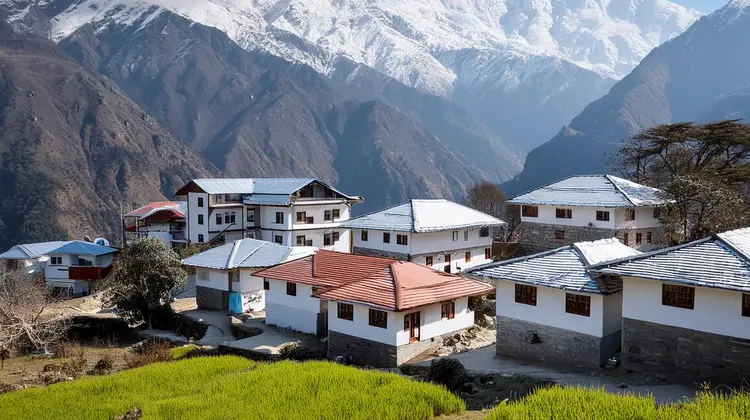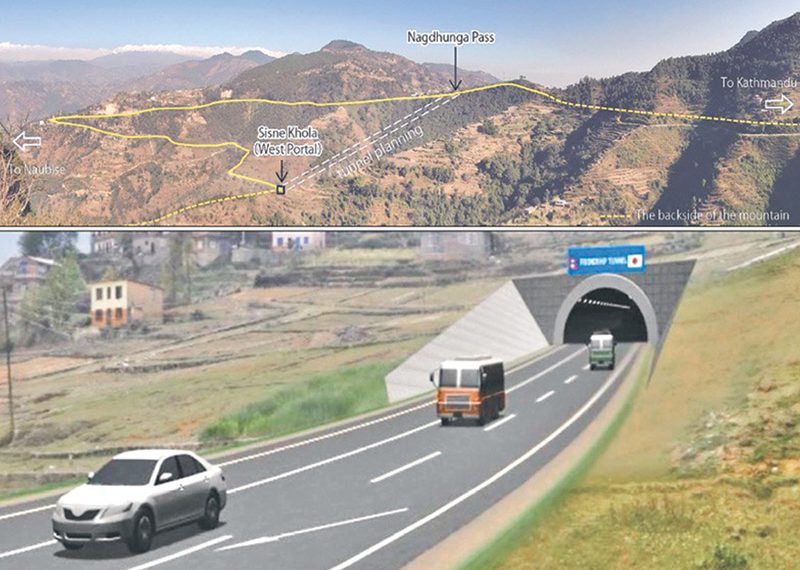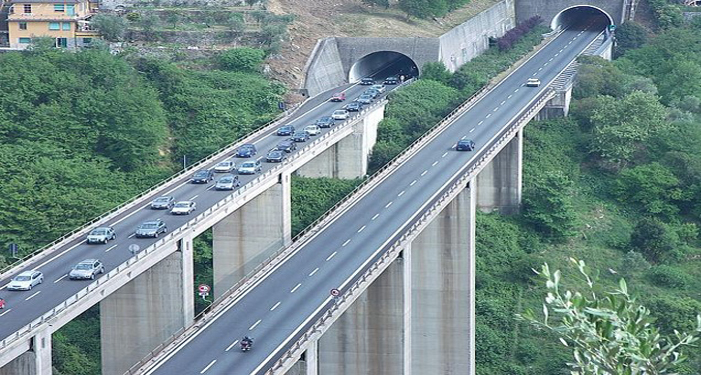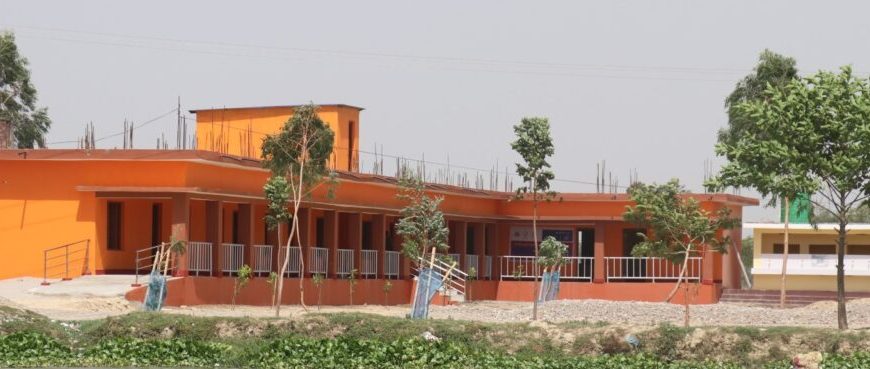
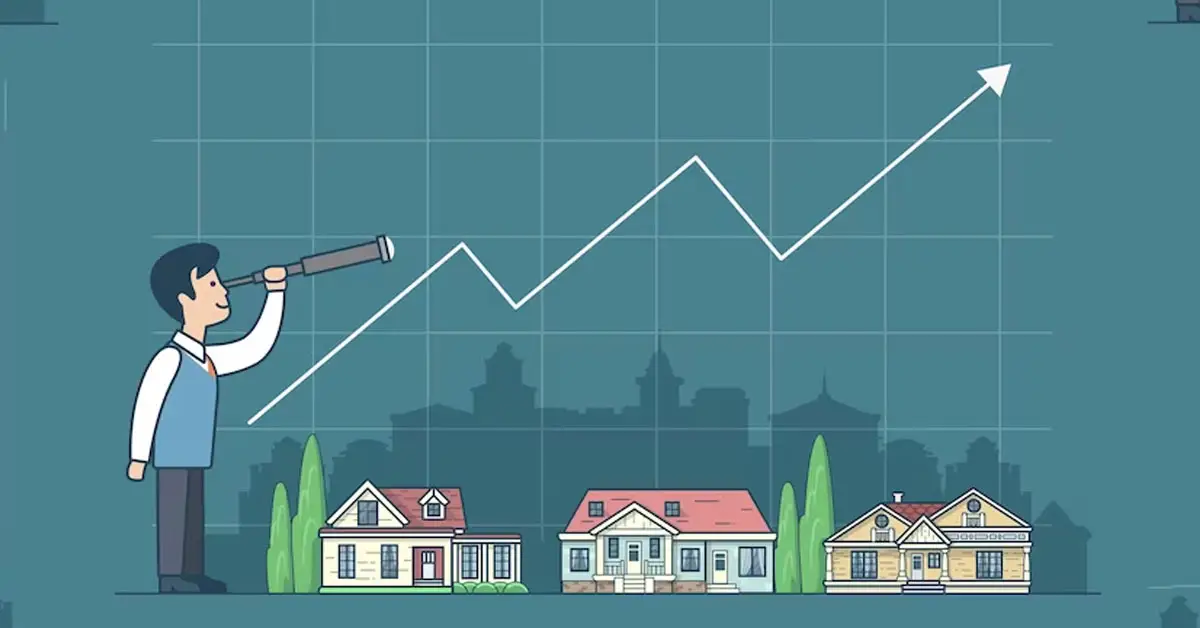

Nepal’s real estate sector in 2025 is undergoing significant transformation, driven by urbanization, economic growth, and policy reforms. This dynamic landscape presents both opportunities and challenges for investors, developers, and homebuyers.
Urbanization and Economic Growth
Population Shift: Rapid urbanization, especially in the Kathmandu Valley, is increasing demand for residential and commercial properties.
Economic Indicators: Nepal’s GDP is projected to grow by approximately 4.9% in 2025, bolstering consumer purchasing power and investment capacity.
Government Policies and Reforms
Land Ceiling Amendments: The government has eased land ceiling laws, providing relief to real estate developers and encouraging larger projects.
Foreign Investment: Discussions are underway to allow non-resident Nepalis (NRNs) and foreign investors to own property, potentially attracting new investment inflows.
Technological Advancements
Digital Platforms: Online property portals like GharBazar and Nepalhomes are simplifying property searches and transactions.
Blockchain Integration: The adoption of blockchain technology is enhancing transparency in property registration and ownership verification.
Emerging Trends
Commercial Real Estate Growth: There’s a rising demand for co-working spaces, office hubs, and shopping malls, driven by Nepal’s growing startup and SME sector.
Sustainable Development: Energy-efficient homes and eco-friendly building practices are gaining popularity, with developers incorporating green technologies into new projects.
Investment Hotspots
Kathmandu Valley: High demand for residential apartments and commercial spaces.
Pokhara: Ideal for tourism-based real estate investments, such as hotels and vacation homes.
Chitwan: Affordable land prices and growing infrastructure make it attractive for investors.
Lumbini: Opportunities in hotel investments catering to religious tourism.
Challenges
- Bureaucratic Delays: Property registration and land ownership verification processes can be time-consuming.
- High Property Prices: Rising costs make homeownership challenging for middle-class buyers.
- Limited Financing Options: There is a lack of diverse mortgage and home loan options, restricting purchasing power.
In summary, Nepal’s real estate market in 2025 offers promising opportunities amid ongoing reforms and technological advancements. However, addressing existing challenges is crucial for sustainable growth and attracting broader investment.


 By
By