

Nepal’s Industrial Policy of 2011 was introduced with the vision of transforming the nation’s economic landscape through sustainable and inclusive industrial development. Building upon the foundations laid by the 1993 policy, this comprehensive framework seeks to address past shortcomings and position Nepal as a competitive player in the global industrial arena.
Core Objectives
The policy outlines several key objectives:
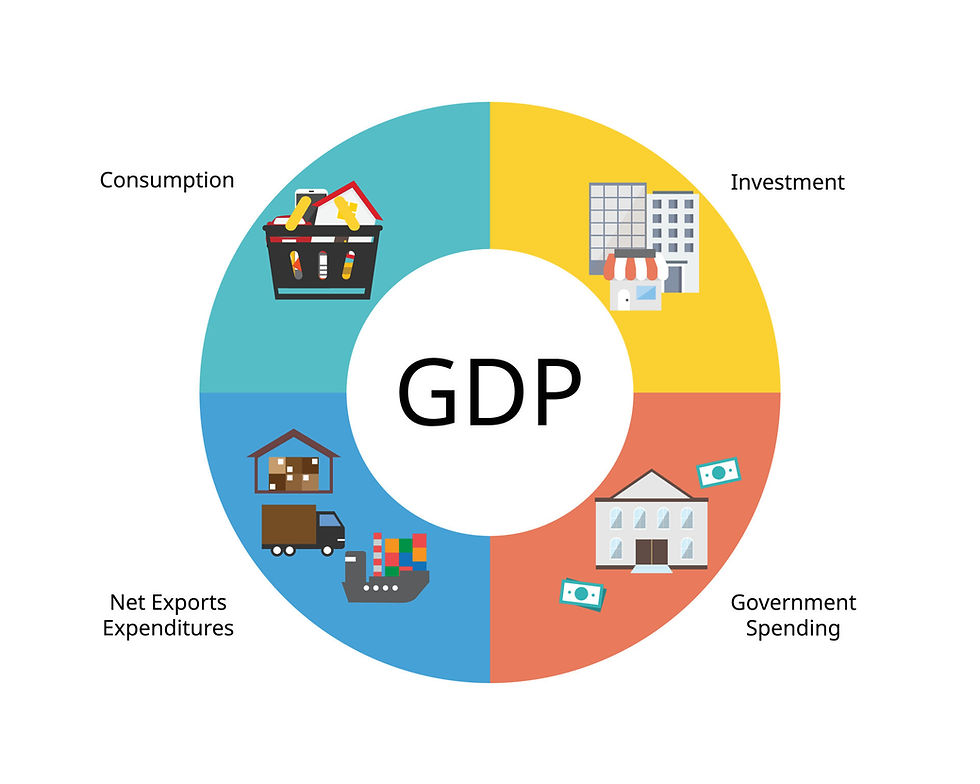
Enhancing Industrial Contribution: Increase the industrial sector’s share in national GDP by fostering diverse and competitive industries.
Employment Generation: Create extensive employment opportunities by promoting industries that leverage local resources and skills.
Export Promotion: Boost exports through the production of high-quality, competitive industrial goods.
Sustainable Practices: Encourage environmentally friendly production processes and the adoption of green technologies.
Investment Attraction: Establish Nepal as an attractive destination for both domestic and foreign investors by developing necessary infrastructure and human resources.
Strategic Pillars
To achieve its objectives, the policy emphasizes:
Public-Private-Cooperative Partnership: Foster collaboration among public entities, private enterprises, and cooperatives to drive industrial growth.
Special Economic Zones (SEZs): Develop SEZs to provide infrastructure and incentives that attract industrial investments.
Infrastructure Development: Prioritize the construction of access roads, expansion of electricity transmission lines, and provision of essential services to industrial areas.
Technology and Innovation: Support industries in adopting modern technologies and processes to enhance productivity and competitiveness.
Environmental and Energy Initiatives
Recognizing the importance of sustainability, the policy includes:
Green Industry Promotion: Implement measures to promote industries that are pollution-free and have zero carbon emissions.
Energy Efficiency Incentives: Provide technical and financial assistance to industries that adopt energy-saving technologies and processes.
Renewable Energy Integration: Encourage the use of renewable energy sources within industrial operations.
Progress and Challenges
While the policy has laid a solid foundation for industrial growth, its implementation has faced challenges:
Infrastructure Gaps: Inadequate infrastructure in certain regions hampers industrial expansion.
Regulatory Hurdles: Complex regulatory frameworks can deter potential investors.
Skilled Workforce Shortage: A lack of adequately trained human resources affects industrial productivity.
Addressing these challenges requires concerted efforts from all stakeholders to ensure the policy’s objectives are fully realized.
Nepal’s Industrial Policy of 2011 represents a strategic move towards sustainable industrialization, aiming to boost economic growth, create employment, and position the country as a competitive industrial hub in the region.



टिप्पणी थप्नुहोस्